Wills drawn up with inheritance tax in mind
Most people who need a will either do not have one, or have one that no longer matches their circumstances. For business owners, property owners and anyone whose estate is likely to pass the inheritance tax thresholds, a will decides more than who inherits. It sets how the estate is structured, what tax falls due, and how straightforward it is to administer. We draw up wills as Chartered Accountants, with the tax position considered from the start rather than added afterwards.
What happens if you die without a will?
If you die without a valid will in England and Wales, your estate is shared out under the rules of intestacy, not according to your wishes. Where there is a surviving spouse or civil partner and children, the spouse takes the personal possessions, the first £322,000 of the estate (the statutory legacy, at this level since 26 July 2023), and half of whatever remains; the children share the other half. Where there is a spouse or civil partner and no children, the spouse takes the whole estate. Unmarried partners and stepchildren inherit nothing under these rules, however long the relationship. A will is the only way to override that default and decide for yourself.
How a will can take inheritance tax into account
Inheritance tax is charged at 40% on the value of an estate above the allowances available to it, and how a will is drafted affects how much of those allowances the estate can use. Each person has a nil-rate band of £325,000 for 2026/27, a figure unchanged since 2009 and now frozen until April 2031. A further residence nil-rate band of up to £175,000 applies where a main home passes to direct descendants such as children or grandchildren; it reduces by £1 for every £2 the estate exceeds £2 million, and is lost once the estate reaches £2.35 million. Transfers between spouses and civil partners are generally exempt, and any unused nil-rate band passes to the survivor. In principle, and subject to the conditions for each band, a married couple or civil partners leaving a home to direct descendants can pass on up to £1 million before inheritance tax applies. Where at least 10% of the net estate is left to charity, the rate on the rest falls to 36%. A will drafted without these in view can leave allowances unused or conditions unmet.
Where a will includes a trust
A will can create a trust that takes effect on death, used to control how and when assets pass rather than handing them over outright. Common reasons include providing for children who are still minors, protecting a vulnerable or disabled beneficiary, or keeping assets within the family where there has been a second marriage. A trust is not always the right answer, and each type carries its own tax treatment, so we advise on whether one fits the situation before it goes into the will. Where the wider inheritance tax position is the main concern, our inheritance tax planning work looks at that across your lifetime, not only on death.
When should a will be reviewed?
A will should be reviewed after any significant change in your circumstances, and from time to time even when nothing obvious has changed. Marriage or a civil partnership is the one most people miss: under the Wills Act 1837 it automatically revokes an existing will, unless the will was made in contemplation of that marriage, which can leave someone intestate without realising it. (The Law Commission recommended abolishing this rule in 2025, but it remains law.) Divorce, the birth of children, the death of a beneficiary or executor, buying or selling a business, and acquiring property are all reasons to look again. With the inheritance tax thresholds frozen until April 2031 while asset values rise, estates that once sat below the allowances increasingly do not.
Why have your will drawn up by your accountants?
A will rarely sits on its own. It connects to your lifetime tax position, your business, and the estate your executors will eventually deal with. We look at the will alongside those, so the document reflects the wider picture rather than the estate in isolation. Wills are drawn up by experienced senior staff under chartered oversight. Vision Consulting is also licensed to carry out non-contentious probate in England and Wales, so the same firm can act when the estate is administered. That licence covers probate and estate administration, not the drafting of wills.
Frequently asked questions
Start a conversation
If you are making a will for the first time, updating one after a change in your life, or you run a business and have never put one in place, a short conversation is the place to start.
Call 020 8554 2135 or email info@visionconsulting.co.uk to arrange a free initial conversation.
Call 020 8554 2135 or email info@visionconsulting.co.uk to arrange a free initial conversation.
This is general information, not advice. Your position depends on your circumstances.
Speak to an expert
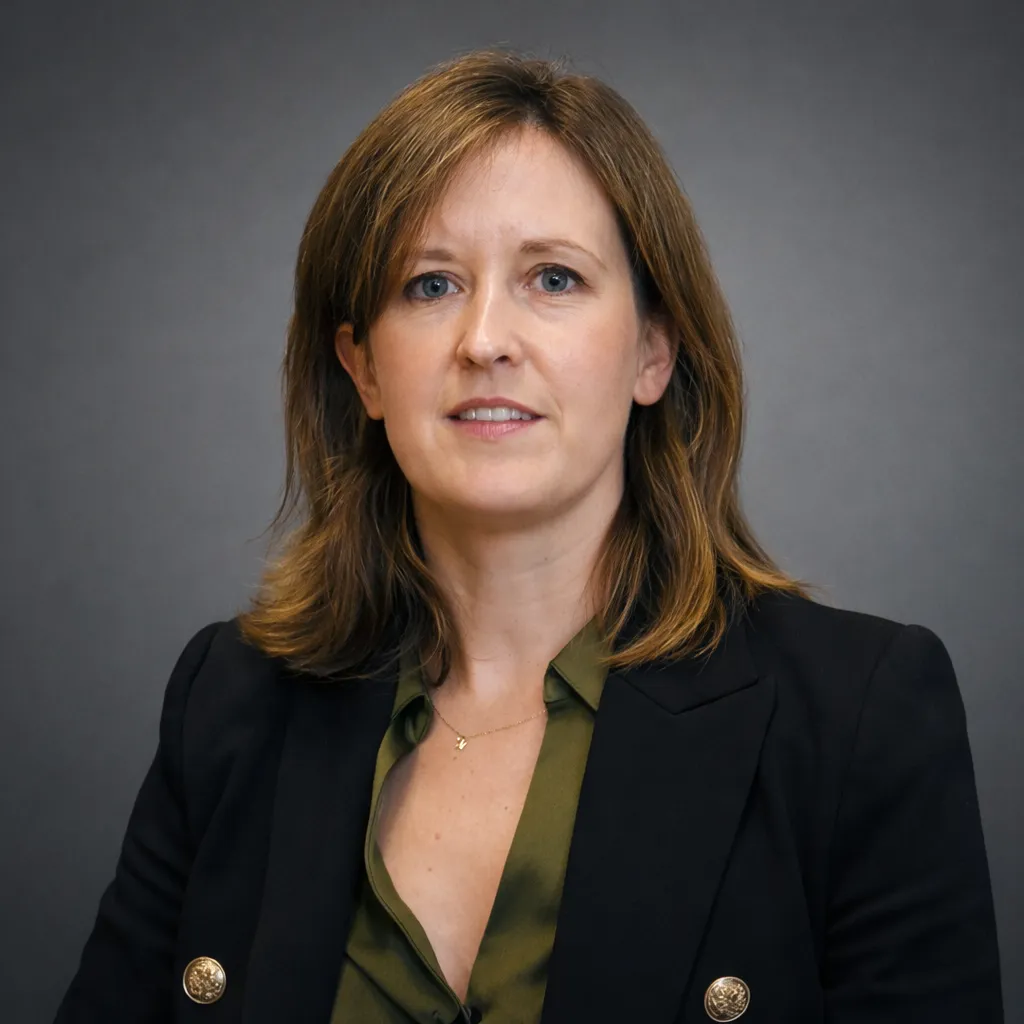
Chloe Symmonds
Senior Manager · Inheritance tax, estates and probate
c.symmonds@visionconsulting.co.uk
Book a call